Finding the Right General Contractor: Tips for a Successful Home Renovation
Locating the right home renovation professional is vital for a productive home renovation. Homeowners often experience difficulties in finding experienced professionals. Clarifying renovation goals is the first step. After that, they must research various sources to discover reputable contractors. Key credentials and effective communication serve vital functions in the evaluation process. As homeowners commence on this journey, understanding key aspects can lead to well-considered decisions. The next steps may shape the overall renovation outcome.
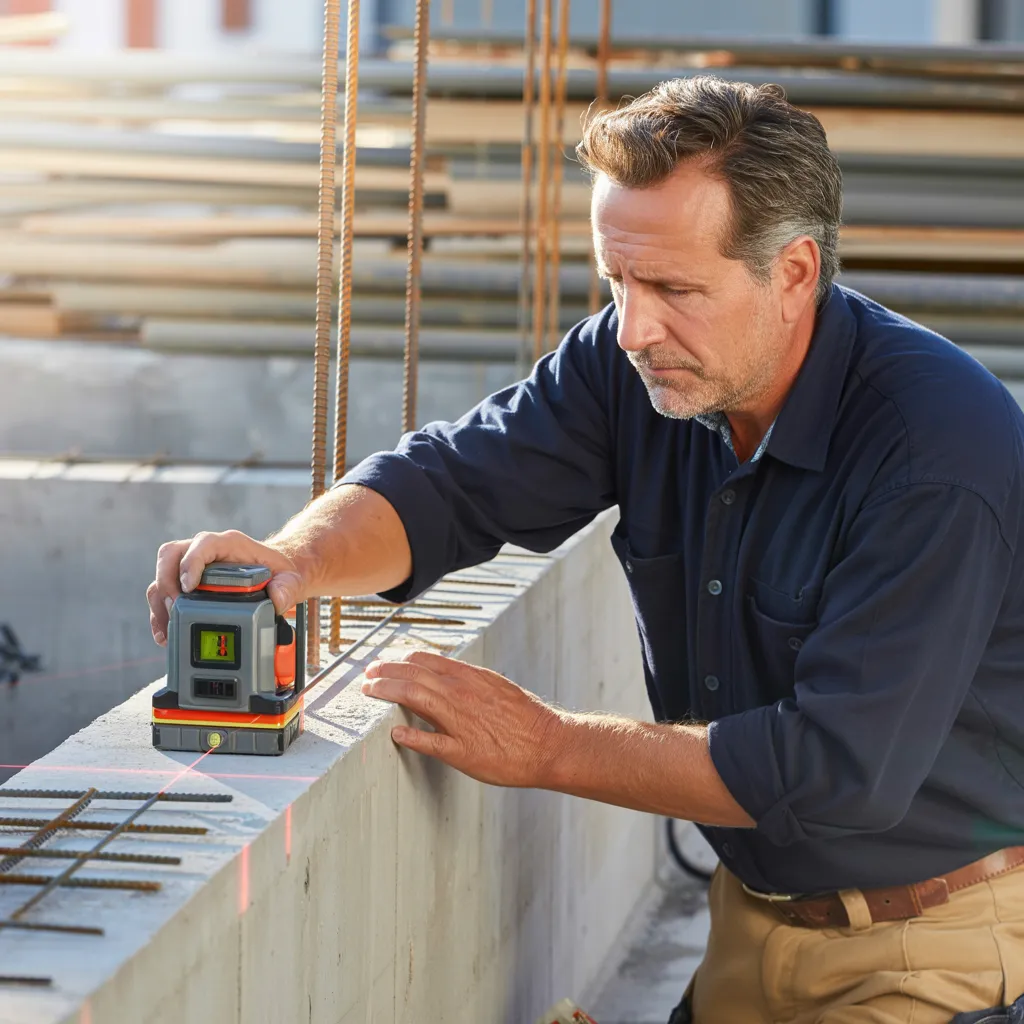
Start by Outlining Your Renovation Goals
When beginning a renovation project, establishing clear objectives is essential for success. It allows homeowners to articulate their vision, organize their priorities, and manage resources in an effective manner. These goals should address not only aesthetic preferences but also operational needs, budgetary restrictions, and project timelines. By establishing specific objectives, such as expanding living space or enhancing energy efficiency, homeowners can create a focused plan that guides the entire renovation process.
Furthermore, involving all key parties during the initial goal-setting stage confirms that all expectations are in agreement. This team-oriented strategy minimizes misunderstandings and encourages a common sense of mission. In the end, clearly established renovation objectives work as a structured guide, empowering homeowners to make informed decisions and review possible contractors more thoroughly. By building a firm base using precise objectives, the possibility of a prosperous endeavor rises significantly, producing a gratifying upgrade of the living area.
How to Locate Reputable Contractors
When searching for trustworthy contractors, individuals often turn to online directories and platforms that feature feedback and ratings. Moreover, local recommendations and referrals from friends or family provide valuable insights into a contractor's work quality and dependability. Combining these resources can result in a well-informed selection process.
Digital Directories and Platforms
Maneuvering through the vast sea of online directories and platforms can greatly ease the search for trustworthy general contractors. Services like Angie's List, HomeAdvisor, and Thumbtack permit homeowners to review profiles, read reviews, and evaluate scores of various contractors. These platforms often feature verified reviews, providing insights into a contractor's dependability and workmanship. Users can refine queries based on specific needs, such as project type and budget. Additionally, many directories provide detailed information about each contractor's qualifications, including licensure and coverage details. By utilizing these resources, homeowners can simplify their selection process, obtaining exposure to a larger selection of potential candidates while guaranteeing well-considered choices when choosing a general contractor for their remodeling initiatives.
Neighborhood Recommendations and Referrals
What methods can homeowners use to locate reliable general contractors nearby? A proven approach is to pursue local referrals and recommendations. Neighbors, friends, and family who have recently gone through home renovations can share meaningful feedback about their contractor experiences. Additionally, local community boards, social media groups, and neighborhood apps often feature discussions and endorsements for reliable professionals. Homeowners can benefit from stopping by local trade supply centers or hardware stores, where knowledgeable employees might point them toward contractors experienced in the region. Attending home improvement shows can offer a chance to meet contractors in person and gather more information. By leveraging these local networks, homeowners can enhance their chances of finding a qualified general contractor for their renovation projects.
Essential Credentials to Verify in a General Contractor
A qualified general contractor must possess various critical credentials that reinforce confidence in their expertise. Most importantly, maintaining a current license is imperative; this guarantees compliance with local regulations and standards. Furthermore, evidence of adequate insurance, comprising liability and worker's compensation policies, safeguards both the contractor and the homeowner against unanticipated occurrences during the construction process.
Moreover, a construction professional should supply references from previous clients, showcasing their proven record of completed projects. Certifications from established industry bodies can also indicate advanced skills or professional development in certain fields of construction.
Furthermore, it is important to verify that the contractor you hire has a favorable standing with the Better Business Bureau, showcasing their standing within the local community. By validating these qualifications, residents can significantly lower associated risks connected to hiring a contractor, paving the way for a smoother and more productive remodeling experience.
Reviewing Contractor Bids: Critical Elements
When evaluating contractor bids, several key factors merit attention. Reviewing project scope specifics guarantees that all aspects of the job are covered, while assessing material quality projections can highlight likely long-term expenditures. Moreover, a comprehensive analysis of timeline proposals aids in establishing practical benchmarks for completing the project.
Evaluate Project Scope Particulars
What critical elements should one consider when evaluating project scope information in contractor estimates? Initially, a clear scope description is fundamental; each contractor should provide a detailed outline of tasks to be performed. Next, timeframes should be thoroughly established, covering project start and finish dates as well as progress benchmarks. It is equally important to evaluate workforce expenses and the quantity of personnel dedicated to the job, because this influences the project's general effectiveness. Moreover, homeowners should examine how each contractor manages possible alterations or unpredicted complications within the project parameters. Lastly, being aware of payment structures and requirements can help avoid unexpected costs down the line. By focusing on these elements, homeowners can make informed decisions when selecting the right contractor for their renovation needs.
Assess Material Quality Estimates
Assessing material quality estimates is essential for property owners aiming to guarantee the durability and overall appearance of their remodeling projects. When analyzing quotes from contractors, it is critical to carefully examine the materials specified. High-quality materials may carry a higher initial price but can produce considerable savings over time through longevity and lower maintenance requirements. Homeowners should ask about the manufacturers and sources of the materials used, as well as any warranties offered. Moreover, it's important to understand the potential impact of using lower-quality options, which might negatively affect the overall quality of the renovation. By thoroughly reviewing these projections, property owners can reach well-informed decisions that suit their budget and overall vision.
Analyze Timeline Proposals in Detail
A comprehensive assessment of proposed timelines is important for homeowners who want to grasp the range and structure of their renovation projects. Evaluating these timelines helps uncover possible obstacles and guarantees that the contractor's plans are consistent with the homeowner's goals. Homeowners should examine the proposed start and completion dates, as well as significant milestones throughout the project. It is also important to take into account any provisions for unexpected setbacks, which can influence the total project duration. Clear communication about these aspects can prevent misunderstandings later on. Additionally, homeowners should evaluate schedules from several contractors to determine accuracy and achievability. A carefully planned timeline not only improves project oversight but also builds confidence between homeowners and contractors, setting a solid foundation for collaboration.
The Value of Communication With Your General Contractor
Effective communication with a general contractor is essential, as it establishes the groundwork for a successful project. Clear dialogue guarantees that both parties understand project goals, timelines, and expectations. Regular updates and open channels for questions can alleviate misunderstandings, reducing the likelihood of costly errors.
Moreover, effective communication fosters a collaborative environment, enabling homeowners to voice their needs and concerns. This candid exchange can generate forward-thinking resolutions that correspond with the homeowner's expectations while respecting budgetary limitations.
Establishing a communication plan from the start, covering preferred communication methods and update frequency, can strengthen the professional relationship. Both parties should be comfortable navigating challenges and adjustments as they arise. At the end of the day, effective communication not only facilitates smoother project execution but also builds trust, which is crucial for navigating the intricacies of home renovations.
Steps to Verify References and Previous Projects
How can homeowners guarantee they choose a reliable general contractor? One essential step involves checking references and reviewing previous work. Property owners should obtain a list of former clients and dedicate time to getting in touch with them. Questions should center on the contractor's dependability, craftsmanship, and commitment to schedules and costs.
Additionally, homebuyers can request photos or videos of completed projects to assess the service provider's quality and technique. Touring ongoing work sites provides further insight into the contractor's professionalism and organization.
Online ratings and reviews on sites like Google and Yelp can also provide valuable insights. Homeowners should be cautious of contractors with persistently unfavorable ratings or lack of transparency. By comprehensively reviewing references and past projects, homeowners can make informed decisions, reducing the chances of hiring unqualified useful resource individuals and guaranteeing their remodeling objectives are achieved successfully.
Important Questions to Ask Before Signing a Contract
Incorrect assumptions can result in expensive errors in home renovations. Before entering into a contract with a general contractor, homeowners should ask significant questions to establish clear expectations and alignment. To begin, ask about the contractor's background with comparable projects to gauge expertise. It is important to have a clear picture of the project schedule and any foreseeable delays. Homeowners should also ask about the payment schedule and what constitutes additional costs.
Clarifying the range of services is important; property owners should understand precisely what is included. Property owners should request specifics about subcontractors and their credentials, as this can impact the standard of work. Additionally, understanding the warranty on work completed can help avoid complications later.
Finally, homeowners should verify the service provider's insurance and licensing to protect against legal issues. These key considerations will support educated choices, ensuring a smoother renovation process.
Common Questions and Answers
How Much Time Does a Standard Home Renovation Usually Take?
An average home renovation can take anywhere from a couple of weeks to many months, subject to the project's scope, complexity, and the availability of materials and contractors, which can considerably impact the overall timeline.
What Should I Do When My Contractor Exceeds the Budget?
When a contractor goes over budget, the homeowner should review the contract, talk through the causes of the cost overrun, and work toward mutually agreeable solutions. Open communication and detailed documentation play a vital role in successfully addressing financial discrepancies.
Can I Live in My Home During Renovations?
Absolutely, it is possible to continue living in their residence during home improvements, but it typically copyrights on the extent of the project. Clear communication with the contractor and anticipating interruptions are important to limit discomfort and maintain a safe environment.
What Should I Do if My Contractor Fails to Meet Deadlines?
When a contractor does not meet deadlines, it could cause delays in the project, higher costs, and possible disputes. Homeowners should review the contract terms and communicate concerns to seek a resolution or consider alternative actions.
What Should I Do When Disputes Arise With My Contractor?
To manage disputes with a contractor, you should keep a record of all communications, examine the contract for relevant clauses, and maintain open communication. If unresolved, seeking mediation or legal advice may be required to arrive at an acceptable solution.